 LondonLifeBalance
Daily Movement and Energy Dynamics
Understanding the role of everyday activity and gentle movement in overall energy expenditure and wellbeing.
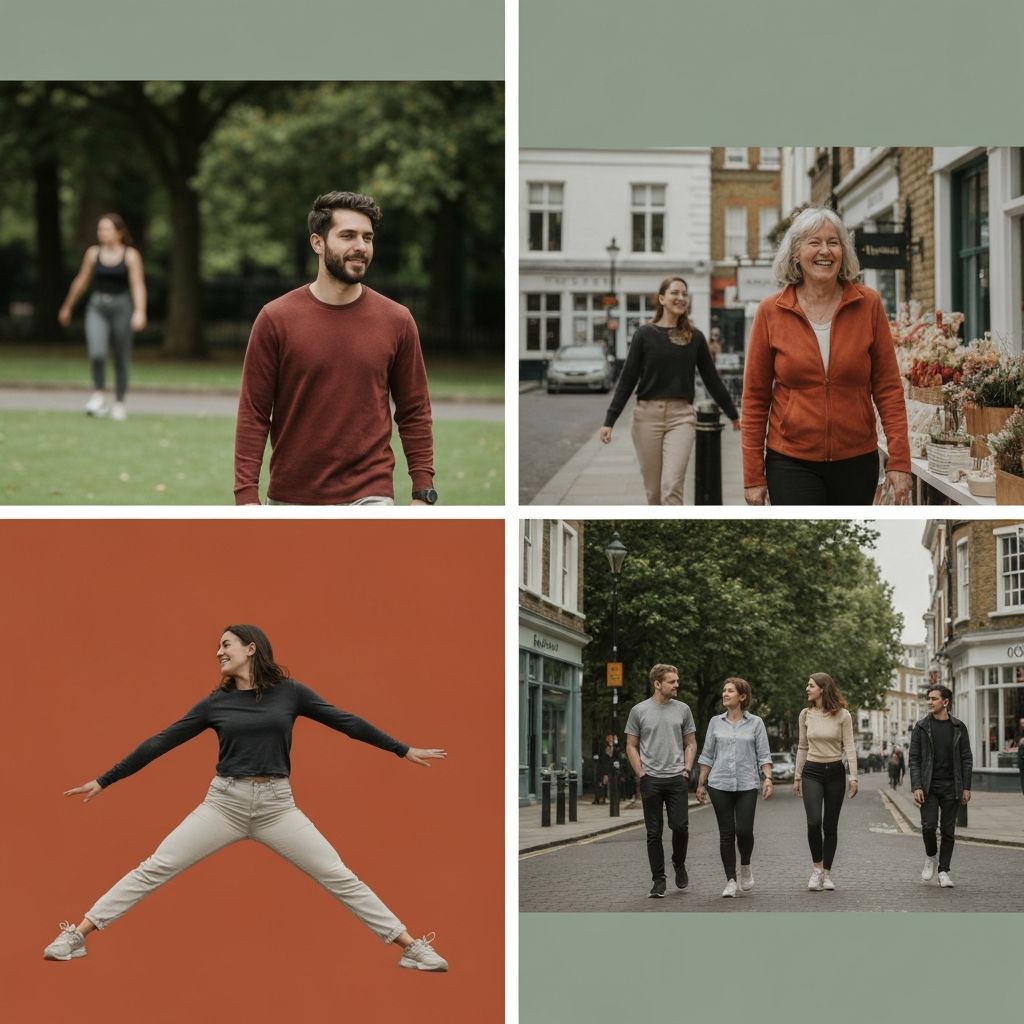
Movement Beyond Exercise
Energy expenditure includes far more than structured exercise. Daily living activities—walking, standing, occupational tasks, household work, and general movement—contribute significantly to total energy use. For many people, these daily activity patterns account for a larger portion of energy expenditure than dedicated exercise.
Types of Daily Movement
Commuting to work or school, shopping, exploring neighbourhoods, climbing stairs, and occupational activities all count as movement. Urban environments like London naturally facilitate movement through walking to transit, navigating busy streets, and exploring different areas.
Household activities—cooking, cleaning, gardening—involve movement and energy use. Work-related activities vary tremendously depending on occupation: desk-based work requires less movement than retail, healthcare, or manual labour jobs. These occupational differences significantly influence daily energy expenditure.
Individual Activity Patterns
Daily movement varies substantially between individuals based on occupation, lifestyle, transportation choices, and personal preference. Someone using public transport and walking walks more than someone driving everywhere. Someone with a physically demanding job moves more than someone in sedentary work. Urban residents typically walk more than rural residents with car-dependent lifestyles.
Energy Expenditure Contribution
Research shows that while exercise is valuable, the overall physical activity level across the entire day—including all daily movements—contributes meaningfully to energy balance. Small increases in daily movement accumulate. Taking stairs instead of elevators, walking short distances, or standing rather than sitting all add to total energy use, though individual magnitudes vary.
Sustainable Movement
Gentle, consistent daily movement integrates naturally into life. Urban walking, gardening, occupational activities, and household tasks provide regular movement without requiring gym membership or structured workouts. For many people, this sustainable daily activity approach aligns better with lifestyle than intensive exercise schedules.
Individual Responses
How different people experience and respond to movement varies. Some people enjoy structured exercise; others prefer integrating movement into daily routines. Some find formal fitness motivating; others find outdoor walking or occupational activity more satisfying. Individual preferences legitimately influence movement choices.
Broader Considerations
Beyond energy expenditure, movement supports cardiovascular health, muscle function, mental wellbeing, and bone health. These benefits occur regardless of whether movement is structured exercise or integrated daily activity. Urban environments, accessible stairs, walkable streets, and safe pedestrian areas facilitate natural movement for population wellbeing.